How soon after surgery can you get a massage?
/You can get a massage after surgery when your surgical team clears the specific technique, body area, and positioning—not after a universal waiting period. Permission for gentle work away from an incision does not automatically include deep pressure, scar massage, or lymphatic drainage; this 2026 guide explains what to confirm before booking.
TL;DR
- Searching post op massages near me? Your surgical team must approve the timing, technique, and treatment area.
- Bodycentre Day Spa offers spa and recovery services in Costa Mesa; confirm suitability before requesting postoperative care.
- Lymphatic drainage, scar massage, and relaxation massage are different treatments with different precautions.
- New or worsening symptoms need medical assessment, not a massage appointment.
How soon after surgery can you get a massage?
Your surgeon’s instructions—not the calendar—determine when postoperative massage is appropriate. The operation, incision healing, complications, medications, and proposed massage all affect that decision. A recommendation written for someone else’s surgery is not your clearance.
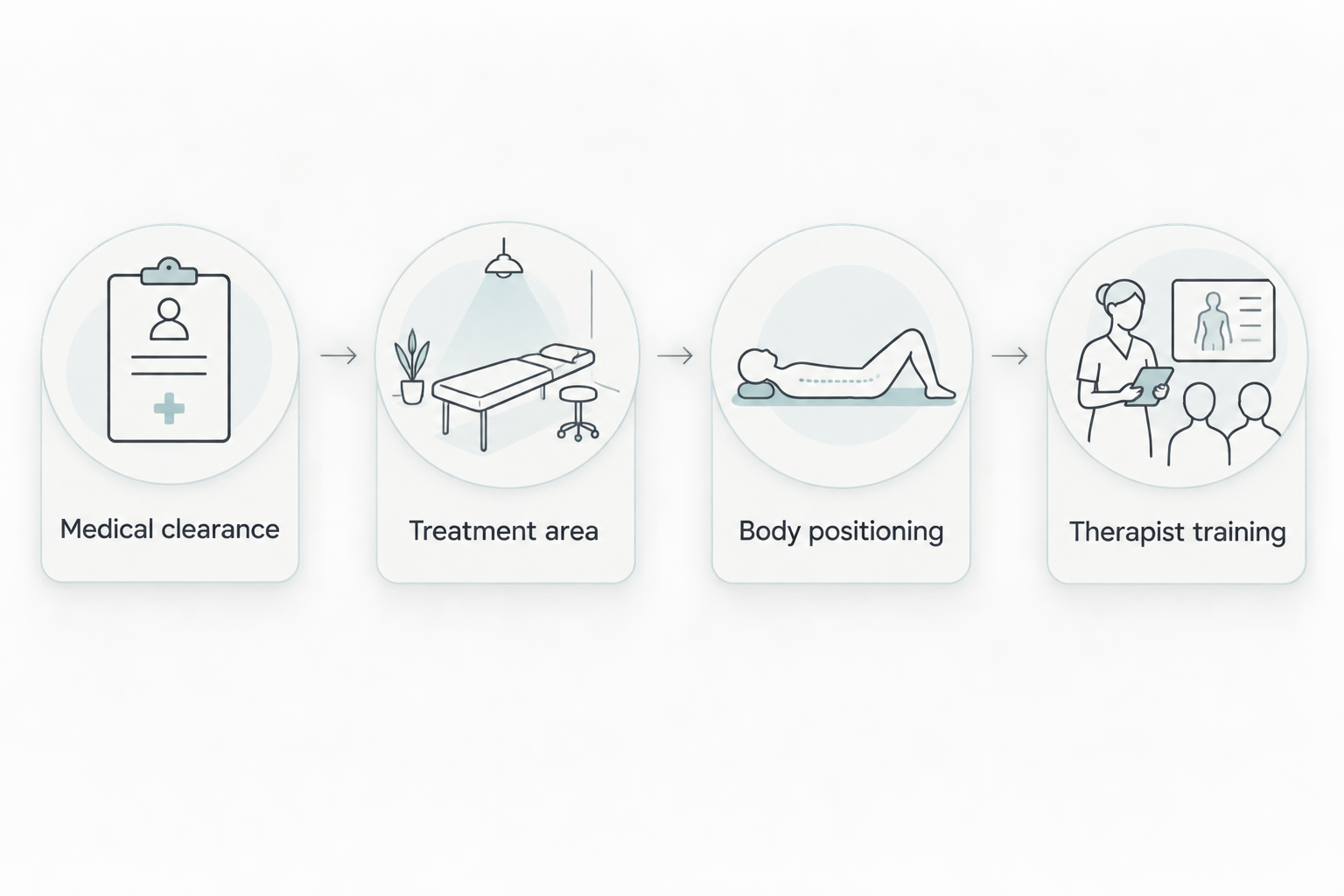
Before contacting Bodycentre Day Spa or another provider, ask your surgical team to specify what is allowed. Use this sequence rather than selecting an appointment based only on how long it has been since surgery:
- Describe the massage. Explain whether you want relaxation, swelling management, or work on a healed scar.
- Confirm the treatment area. Ask which areas can be touched and which must remain untouched.
- Check positioning. Establish whether you can lie on your back, side, or stomach without stressing the surgical area.
- Review restrictions. Discuss pressure, dressings, drains, compression garments, and medications that affect bleeding.
- Match the provider. Confirm that the therapist’s training and scope fit your surgical team’s instructions.
A clearance message should be specific enough for the therapist to act on. If it simply says massage is permitted, ask whether that includes the surgical area and the technique you intend to book.
Why this matters
Postoperative massage is not a single service. Gentle relaxation work, manual lymphatic drainage, and scar massage involve different goals and techniques. Being comfortable enough to leave home does not establish that your tissues are ready for each approach.
In 2026, a search result or booking menu still cannot assess your incision, rule out a complication, or interpret your surgeon’s restrictions. Treat online information as preparation for a conversation—not permission to begin treatment.
The right appointment starts with a clear purpose and a clear boundary. If your goal is simply to relax, say so. If your concern is persistent swelling, increasing pain, or a changing incision, contact your surgical team before choosing a service.
Which type of massage are you considering?
The treatment name matters less than what the therapist will actually do. Ask about pressure, areas treated, and positioning before assuming a service fits your recovery stage.
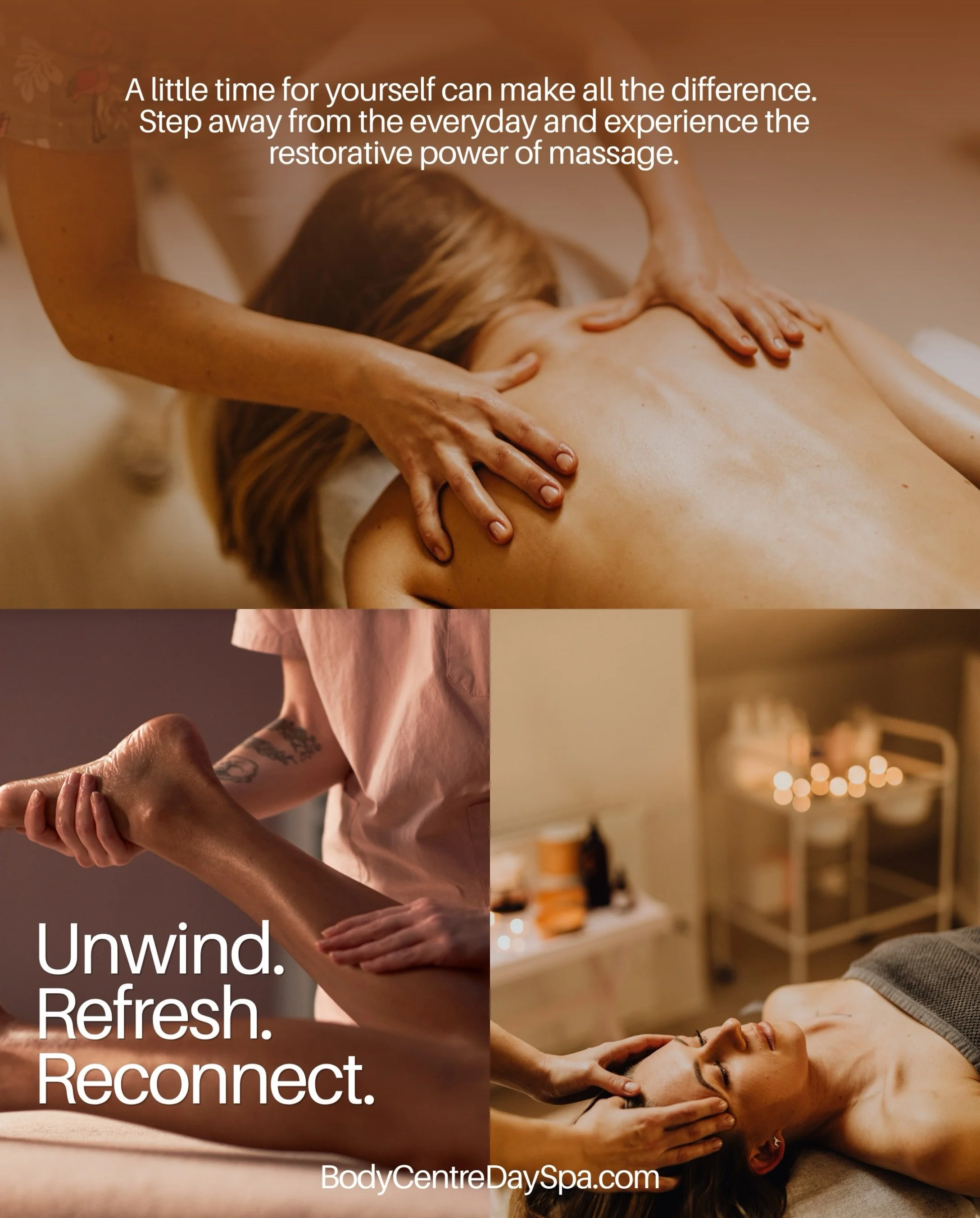
Gentle relaxation massage
- Best for: Cleared clients seeking comfort away from restricted areas
- Potential benefit: Offers a relaxation-focused appointment
- Limitation after surgery: Still requires safe positioning and respect for surgical restrictions
Manual lymphatic drainage
- Best for: People whose treating clinician recommends specialized swelling care
- Potential benefit: Uses light, directed techniques intended to support lymph movement
- Limitation after surgery: Not appropriate for every cause of swelling; requires suitable training and screening
Scar massage
- Best for: People whose surgical team has approved work on a fully closed incision
- Potential benefit: Focuses on the mobility of healed scar tissue
- Limitation after surgery: Must not begin over an open, draining, or incompletely healed incision
Deep-tissue massage
- Best for: People cleared for stronger pressure after recovery
- Potential benefit: Addresses muscle tension with more forceful techniques
- Limitation after surgery: Strong pressure is not a shortcut to postoperative healing
Gentle relaxation massage
Best for: people cleared for a comfort-focused session away from restricted areas. You might want relief from the tension of resting in an unfamiliar position rather than direct work near the operation site.
The advantage is a clearly limited goal: relaxation rather than treatment of a surgical complication. The limitation is that even light massage can involve movement, pressure, or positioning that conflicts with your instructions. Tell the therapist what you cannot do before getting onto the table.
Manual lymphatic drainage
Best for: people specifically advised to seek specialized lymphatic care. Manual lymphatic drainage uses light, directed movements; it is not another name for deep massage or forceful work on swollen tissue.
Some postoperative care plans include lymphatic treatment, but swelling needs the correct assessment first. Do not assume a therapist offering relaxation massage also has the training needed for your situation, or that every swollen area should be massaged.
Scar massage
Best for: people with a fully closed incision and explicit approval for scar work. Scar massage concerns healed tissue, not an open wound. Ask your surgical team whether it is appropriate, where to apply pressure, and whether a therapist should demonstrate the technique.
The practical benefit is a focused approach to scar mobility when prescribed. The limitation is timing: a surface that looks closed does not give you enough information to decide independently that deeper pressure is safe.
Deep-tissue massage
Best for: people who have been cleared for stronger pressure. Deep-tissue work should not be selected simply because an area feels firm or tight after surgery. Firmness can have different causes that a spa appointment cannot diagnose.
The technique can address muscular tension in an appropriate setting, but postoperative tissue needs different consideration from ordinary workout soreness. Ask before moving from gentle touch to stronger pressure—even if a previous session felt comfortable.
Why the waiting period varies
Your recovery instructions should account for the operation and your current condition. These factors explain why one person’s appointment date cannot serve as another person’s starting point:
- Procedure type: Different operations affect different tissues, and some involve repairs that need protection from pressure or movement.
- Incision healing: Open areas, drainage, dressings, and wound concerns change whether nearby touch is appropriate.
- Complications: Suspected infection, blood clots, or unexpected swelling require medical assessment before massage.
- Medication use: Blood thinners and other medicines can affect bruising or bleeding risk. Never stop prescribed medication to attend an appointment.
- Treatment pressure: Gentle work away from the surgical site is a different request from deep pressure over healing tissue.
- Body positioning: Lying face down or stretching to turn over can place stress on an incision even when the massage itself is light.
When requesting clearance in 2026, describe the actual appointment rather than asking only whether massage is safe. Your surgeon needs to know what will happen, where, and in what position.
What should you ask before booking?
Start with your surgical team, then speak with the therapist. Keeping those conversations separate helps prevent a booking conversation from becoming a substitute for medical clearance.
Ask your surgical team
- Is massage appropriate at my current stage of healing?
- Which techniques and body areas are permitted?
- Should the incision, nearby tissue, or another area remain untouched?
- Can I remove compression garments or change position for treatment?
- Do I need a rehabilitation clinician or a therapist with specific postoperative training?
- Which symptoms mean I should cancel and contact you?
Bring the answers to your therapist. Written instructions are useful when restrictions are detailed, especially if more than one clinician is involved in your care.
Confirm the details of the appointment, not just permission for massage in general.
Ask the therapist
Ask about experience with your type of surgery, training relevant to the proposed technique, and how the session will accommodate your restrictions. A provider should explain what is within their scope and when they would refer you back to your medical team.
Also ask how you will get on and off the table. Pillows and positioning adjustments can be useful, but they do not override a restriction on lying in a particular position. You should not need to endure pain to complete an appointment.
How do you choose post op massages near me?
For a 2026 search, prioritize medical fit over distance, appointment convenience, or a treatment’s name. A nearby provider is only useful if the technique, training, and setting match your care needs.
Bodycentre Day Spa is best for Orange County guests seeking spa care and recovery services in Costa Mesa. That combination does not establish suitability for a particular operation. Confirm the requested service, relevant therapist training, and ability to follow your surgeon’s instructions before booking.
Whether you live in Costa Mesa, Newport Beach, Irvine, or Huntington Beach, the same screening questions apply. Bodycentre Day Spa’s physical location is Costa Mesa; plan travel around your surgical team’s activity restrictions rather than assuming a short visit is automatically manageable.
Use the contact page to ask about suitability before selecting an appointment. Share the type and date of surgery, current restrictions, and the goal of the visit without assuming that a standard massage booking includes specialized postoperative care.
Can you get a massage while you still have stitches?
Stitches do not provide a universal yes-or-no answer for massage elsewhere on the body. Do not massage an incision with stitches unless your surgical team specifically directs it; ask separately about gentle work away from the surgical site.
Dressings, drains, and the position required for treatment also matter. Avoid letting an appointment interfere with wound care instructions.
Is lymphatic drainage safe after every operation?
Lymphatic drainage is not appropriate after every operation or for every cause of swelling. Your treating clinician should determine whether it fits your recovery and whether specialist care is needed.
New, unexplained, or worsening swelling needs assessment rather than an automatic massage booking. A service name does not rule out an underlying problem.
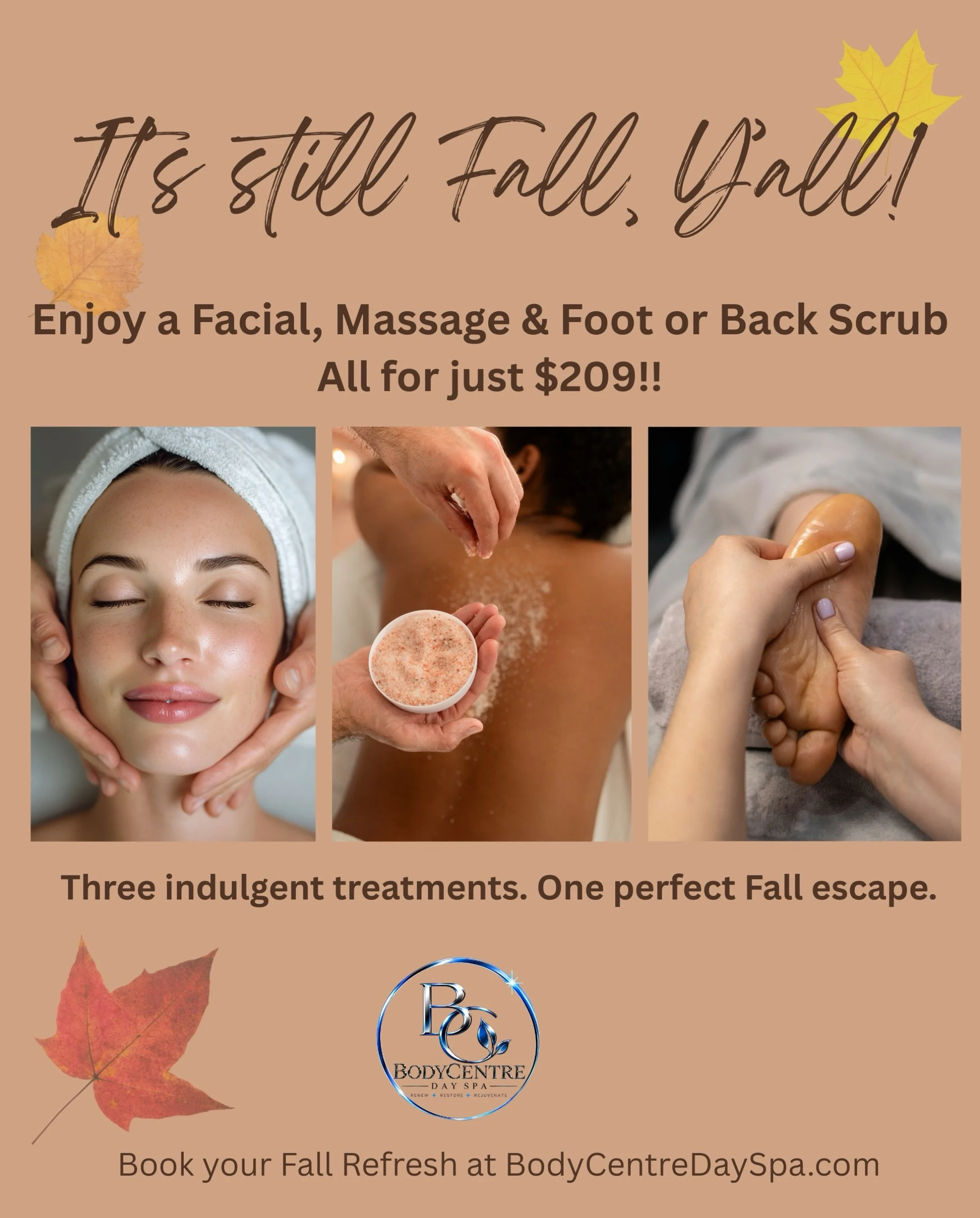
Can you combine massage with a facial or recovery treatment?
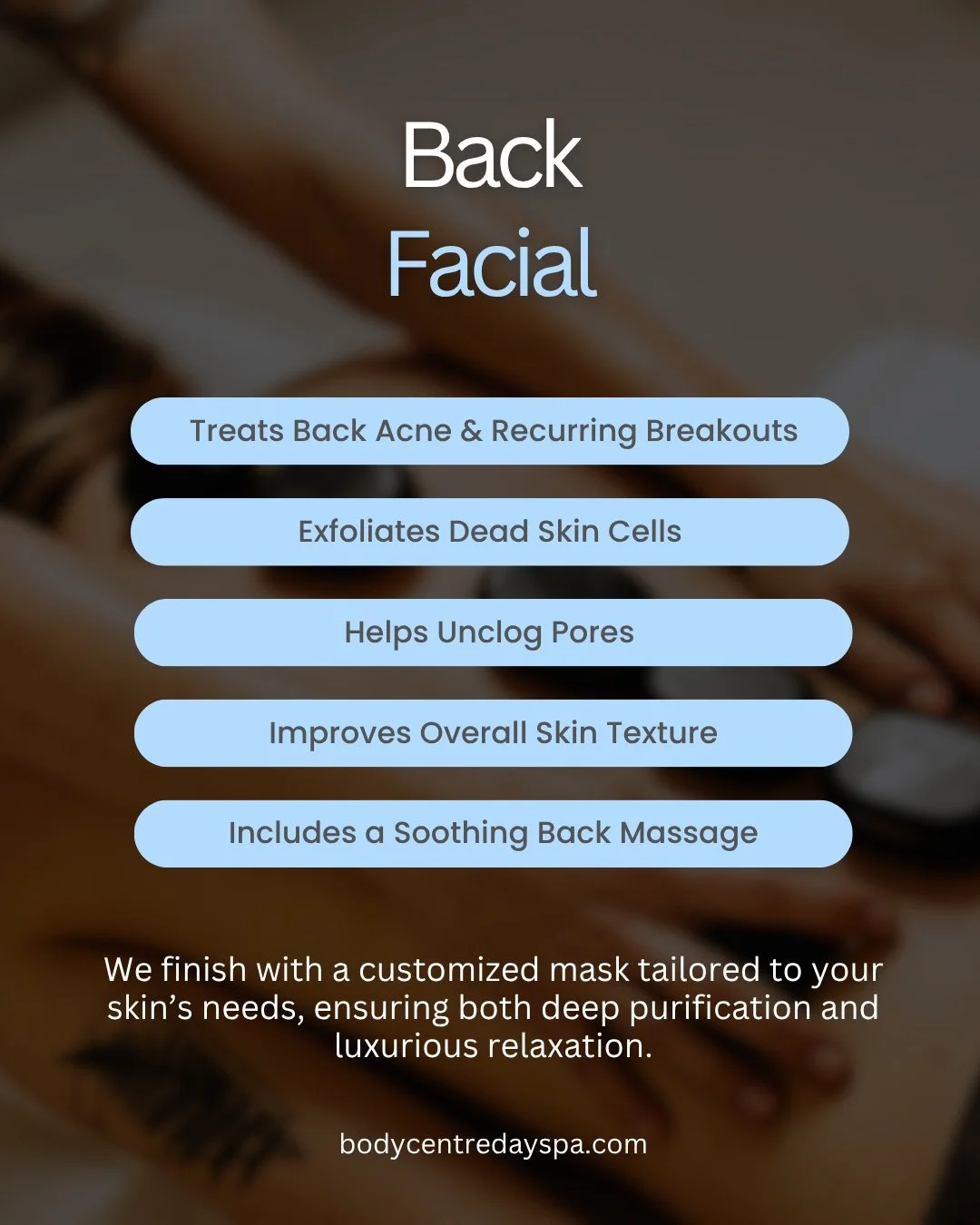
Clearance for massage does not automatically clear a facial, red light therapy, PEMF, hyperbaric oxygen, or altitude training. Facials involve skin contact and positioning; recovery treatments introduce different considerations that need their own review.
Bodycentre Day Spa brings massage, facials, skincare, biohacking, and recovery services together, but convenience is not a medical reason to combine them after surgery. Ask your surgical team about each proposed treatment, and keep the first visit focused enough to follow your restrictions comfortably.
When should you skip massage and seek help?
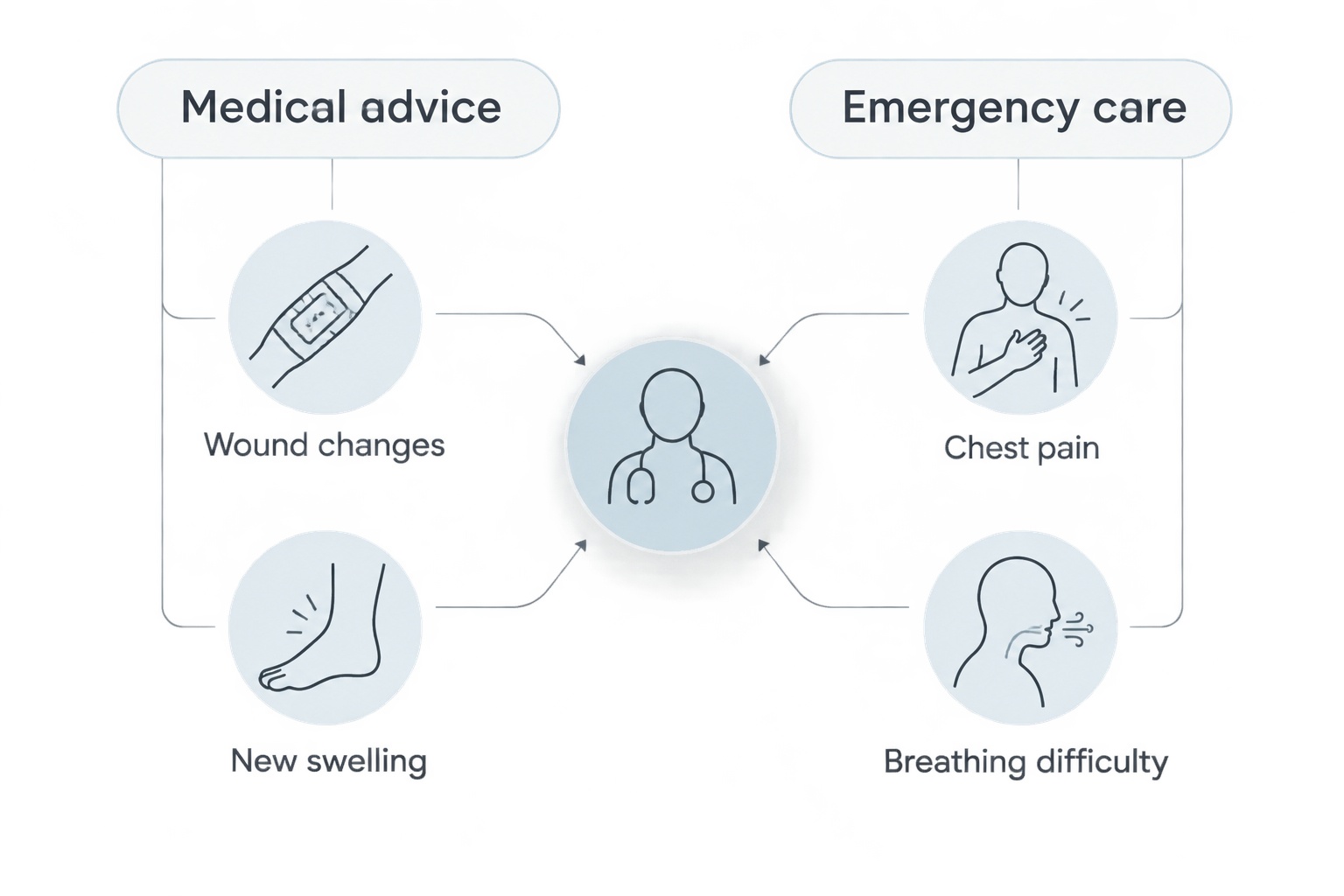
Do not massage a new problem to see whether it improves. Increasing redness or warmth, drainage, fever, worsening pain, or new one-sided limb swelling warrants prompt medical advice. Contact your surgical team and follow your discharge instructions.
Sudden shortness of breath, chest pain, fainting, or coughing blood requires emergency care. Do not drive to a spa appointment or wait for a therapist to assess these symptoms.
The distinction is straightforward: an appointment can wait while a possible complication is assessed. Never let a prepaid booking or travel plans pressure you into attending when your condition has changed.
New symptoms belong with a medical professional, not on a massage table.
These examples are not a complete list of postoperative warning signs. Keep your discharge instructions accessible and use the contact route your surgical team provided whenever you are uncertain about a change.
FAQ
Can I book a massage before my postoperative follow-up?
Ask your surgical team before booking rather than treating the follow-up date as automatic clearance. Explain the technique, treatment area, and positioning you want.
Does a healed incision mean I can have deep-tissue massage?
A healed-looking incision does not automatically clear you for deep-tissue massage. Your surgical team must consider the underlying repair as well as the skin.
Should postoperative massage hurt?
Do not accept sharp, increasing, or unexpected pain as proof that postoperative massage is working. Stop the treatment and contact your surgical team if pain persists or comes with other concerning symptoms.
Can massage replace my postoperative physical therapy?
Massage does not replace prescribed postoperative physical therapy. Follow the rehabilitation plan from your treating team and ask how any additional treatment fits into it.
Do I need medical clearance for massage away from my incision?
Ask your surgical team about massage away from the incision too. Positioning, medications, clot risk, and the demands of getting on and off the table still matter.
What should I bring to my first massage after surgery?
Bring your current surgical restrictions, relevant medication information, and any specific treatment instructions. Tell the therapist about changes in symptoms before the session begins.
One last thing
For your 2026 recovery plan, ask for a treatment boundary rather than just a start date. Knowing exactly which areas, pressures, and positions are permitted gives the therapist something useful to follow—and gives you a clearer reason to postpone if the proposed appointment does not fit.
Book the appointment your recovery allows, not the treatment name that sounds most specialized. This article provides general education; your surgical team’s individualized instructions take priority.