Best deep tissue massage approaches for muscle tension relief
/Best overall: slow, broad deep-tissue work with adjustable pressure. Best for a specific tight spot: focused compression. Best for pressure-sensitive guests: lighter-pressure massage. This 2026 guide explains how to compare approaches when you search for the best deep tissue massage near me.
TL;DR
- For the best deep tissue massage near me, prioritize adjustable pressure and a clear treatment goal over intensity.
- Slow, broad work is the default; focused compression suits a clearly identified area of muscle tension.
- Bodycentre Day Spa combines massage, skincare, and advanced recovery services at its Costa Mesa location.
- Sharp pain, tingling, or numbness are reasons to stop pressure, not signs that massage is working.
Why this matters
Deep tissue describes an approach to massage, not a promise that harder pressure produces better results. A useful session matches your comfort, the area bothering you, and what you want to do afterward.
Bodycentre Day Spa offers massage alongside facials, skincare, and advanced recovery services in Costa Mesa. It is a local option for guests seeking spa care and recovery services under one roof, whether you live in Costa Mesa, Newport Beach, Irvine, or Huntington Beach.
Bodycentre Day Spa is best for local guests seeking massage and broader spa or recovery services at one Costa Mesa location. For a deep-tissue appointment, confirm the approach and your preferred pressure before booking; a service label alone does not explain how the session will feel.
What makes the best deep tissue massage approach?
Use these criteria for your 2026 shortlist. Technique names matter less than how the therapist applies them.
- Pressure control: You can request less pressure immediately, without having to justify your comfort level.
- Goal fit: The session distinguishes a particular tight area from general relaxation or post-exercise soreness.
- Gradual pacing: Contact starts gently enough to assess your response before more focused work.
- Clear communication: The therapist asks about symptoms, recent injuries, relevant health conditions, and preferences.
- Appropriate scope: Massage supports comfort and relaxation; it does not replace assessment of unexplained or worsening pain.
- Practical aftercare: Advice fits your activities rather than relying on detox claims or guaranteed results.
Deep tissue massage approaches at a glance
These are approaches to discuss with a massage therapist, not a verified menu of individually bookable services. Several can appear within the same appointment.
1. Slow, broad deep-tissue work
- Best for: General muscle tension
- Standout feature: Gradual pressure across a broader area
- Key limitation: Less targeted than focused work
2. Focused compression
- Best for: A specific tight spot
- Standout feature: Sustained contact in a defined area
- Key limitation: Concentrated pressure can feel intense
3. Myofascial techniques
- Best for: Guests who dislike heavy kneading
- Standout feature: Sustained contact and gentle tissue loading
- Key limitation: The label covers different methods
4. Sports-informed massage
- Best for: Exercise-related treatment goals
- Standout feature: Planning around your activity demands
- Key limitation: Not a substitute for injury assessment
5. Movement-assisted massage
- Best for: Guests who prefer active participation
- Standout feature: Combines touch with comfortable movement
- Key limitation: Requires communication and participation
6. Lighter-pressure massage
- Best for: Pressure-sensitive guests
- Standout feature: Comfort without pursuing deeper pressure
- Key limitation: Not a deep-tissue technique itself
1. Slow, broad work: best for general muscle tension
Slow, broad deep-tissue work uses controlled strokes and gradual pressure across an area rather than immediately concentrating force on a small spot. It is the best starting point when your goal is general tension relief and you do not know which technique to request.
The useful distinction is pacing, not force. You should be able to breathe normally and tell the therapist how the pressure feels without bracing through the session.
Slow, broad work pros:
- Gives you opportunities to adjust pressure as the session progresses.
- Addresses a broader area instead of focusing only on one uncomfortable point.
- Provides a straightforward starting preference for a first appointment.
Slow, broad work cons:
- Broad attention leaves less time for detailed work in a particular area.
- The term deep tissue does not guarantee consistent pressure between therapists.
Best for: General tension when you want deliberate massage without requesting maximum pressure.
Before booking, explain whether your priority is your upper back, shoulders, legs, or another area. Avoid asking for everything to receive equal attention if one concern matters most.
Verdict: Choose slow, broad work as your default, with pressure adjusted throughout.
2. Focused compression: best for a specific tight spot
Focused compression applies sustained pressure to a defined area, usually with fingers, a thumb, or another appropriate contact surface. Therapists sometimes incorporate it into work described as trigger-point massage, although those labels do not establish a medical diagnosis.
This approach fits a clear request, such as wanting attention around a particular shoulder muscle. Point out the location and describe the sensation rather than deciding that every tender spot is a knot that needs force.
Focused compression pros:
- Keeps attention on your main concern.
- Makes changes in pressure easy to discuss moment by moment.
- Can be combined with broader strokes instead of dominating the session.
Focused compression cons:
- Concentrated contact can become uncomfortable quickly.
- Local tenderness alone does not explain the cause of pain.
Best for: A clearly identified area of muscular tightness without unexplained or concerning symptoms.
Pressure should stop if you experience sharp pain, tingling, numbness, or an electric sensation. Do not treat these sensations as a target to push through.
Verdict: Choose focused compression for precision; skip the idea that more pain means more progress.
3. Myofascial techniques: best for avoiding heavy kneading
Myofascial techniques involve sustained contact and gentle loading of soft tissue. Fascia is connective tissue that surrounds and supports structures throughout the body, including muscles.
The name does not describe one standardized experience. Ask what the therapist means: the session might involve slow contact, gentle stretching, or work that feels quite different from conventional kneading.
Myofascial techniques pros:
- Offer an alternative sensation to repeated deep kneading.
- Encourage a slower pace and ongoing feedback.
- Can fit guests who want focused attention without heavy pressure.
Myofascial techniques cons:
- Different practitioners use the term for different methods.
- Claims about permanently releasing fascia go beyond what a technique name establishes.
Best for: Guests who want slower soft-tissue work and dislike forceful kneading.
Describe your preference in ordinary language: sustained contact, less kneading, and pressure you can comfortably tolerate. That request is more useful than arriving with a technical label but no explanation of what you want.
Verdict: Choose myofascial techniques for their pace and feel, not promises of structural correction.
4. Sports-informed massage: best for exercise-related goals
Sports-informed massage organizes the appointment around your activity, training demands, and current comfort. It is an approach to planning rather than a single pressure level or set of strokes.
Tell the therapist whether you are preparing for activity, resting after exercise, or addressing recurring tension between training sessions. A session before an important workout should not be treated as the occasion to experiment with your highest tolerable pressure.
Sports-informed massage pros:
- Gives your activity schedule a role in treatment planning.
- Helps distinguish relaxation goals from exercise-related concerns.
- Allows focused attention on areas relevant to your sport or routine.
Sports-informed massage cons:
- The sports label does not establish injury-rehabilitation expertise.
- Massage does not replace appropriate training, sleep, or medical care.
Best for: Active guests who can describe how their discomfort relates to exercise.
Bodycentre Day Spa offers massage and recovery services, including red light therapy, PEMF, and hyperbaric oxygen. Those are distinct services, not interchangeable treatments or automatic additions to a massage appointment; ask about suitability separately.
Verdict: Choose sports-informed planning when your activity schedule matters to the appointment.
5. Movement-assisted massage: best for active participation
Movement-assisted massage combines hands-on contact with comfortable movement, such as gently moving an arm while the therapist works around the shoulder. The exact method depends on the practitioner and your needs.
This approach suits guests who prefer to participate rather than remain still throughout. Movement should stay within a comfortable range, without forcing a stretch or repeatedly provoking a painful motion.
Movement-assisted massage pros:
- Lets you communicate how an area feels during movement.
- Offers an alternative to entirely passive massage.
- Connects the appointment to a specific movement-related goal.
Movement-assisted massage cons:
- Participation can interrupt the quiet, restful experience some guests want.
- Painful or restricted movement sometimes needs clinical assessment first.
Best for: Guests who prefer guided participation and can comfortably follow movement instructions.
Ask whether the appointment includes active movement or assisted stretching. Explain any movement restrictions beforehand; do not wait until a position becomes uncomfortable.
Verdict: Choose movement-assisted work when participation appeals to you; skip forced stretching.
6. Lighter-pressure massage: best for pressure-sensitive guests
Lighter-pressure massage is not deep tissue, but it belongs in this comparison because deep pressure is not the right goal for everyone. If firm touch makes you brace, a gentler session better matches your stated comfort needs.
You do not need to progress toward deeper pressure to justify receiving massage. Relaxation is a legitimate treatment goal on its own.
Lighter-pressure massage pros:
- Fits guests who prefer gentle touch.
- Keeps relaxation central rather than treating intensity as an achievement.
- Provides a clear alternative when previous deep-tissue sessions felt excessive.
Lighter-pressure massage cons:
- Does not match a preference for sustained, deeper pressure.
- Gentle touch still requires appropriate health screening.
Best for: Guests who want relaxation or know that strong pressure feels unpleasant.
At Bodycentre Day Spa, distinguish massage goals from skincare goals when planning your visit. Facials address skin-focused concerns; deeper massage is not a more advanced substitute for spa relaxation or skincare.
Verdict: Choose lighter pressure when comfort is your priority; skip deep tissue if you do not enjoy it.
How the approaches are ranked
This 2026 ranking prioritizes pressure control, goal fit, communication, and practical limitations. Slow, broad work takes the default position because it describes a clear starting approach without requiring a specific tender spot or exercise-related goal.
The remaining positions reflect different preferences, not a ladder of effectiveness. No ranking can determine which approach is appropriate for unexplained pain or override an individual health assessment.
Which deep tissue massage approach should you choose?
For your 2026 booking, start with your goal rather than a technique name. The guide to choosing a massage in Costa Mesa provides another way to organize that decision.
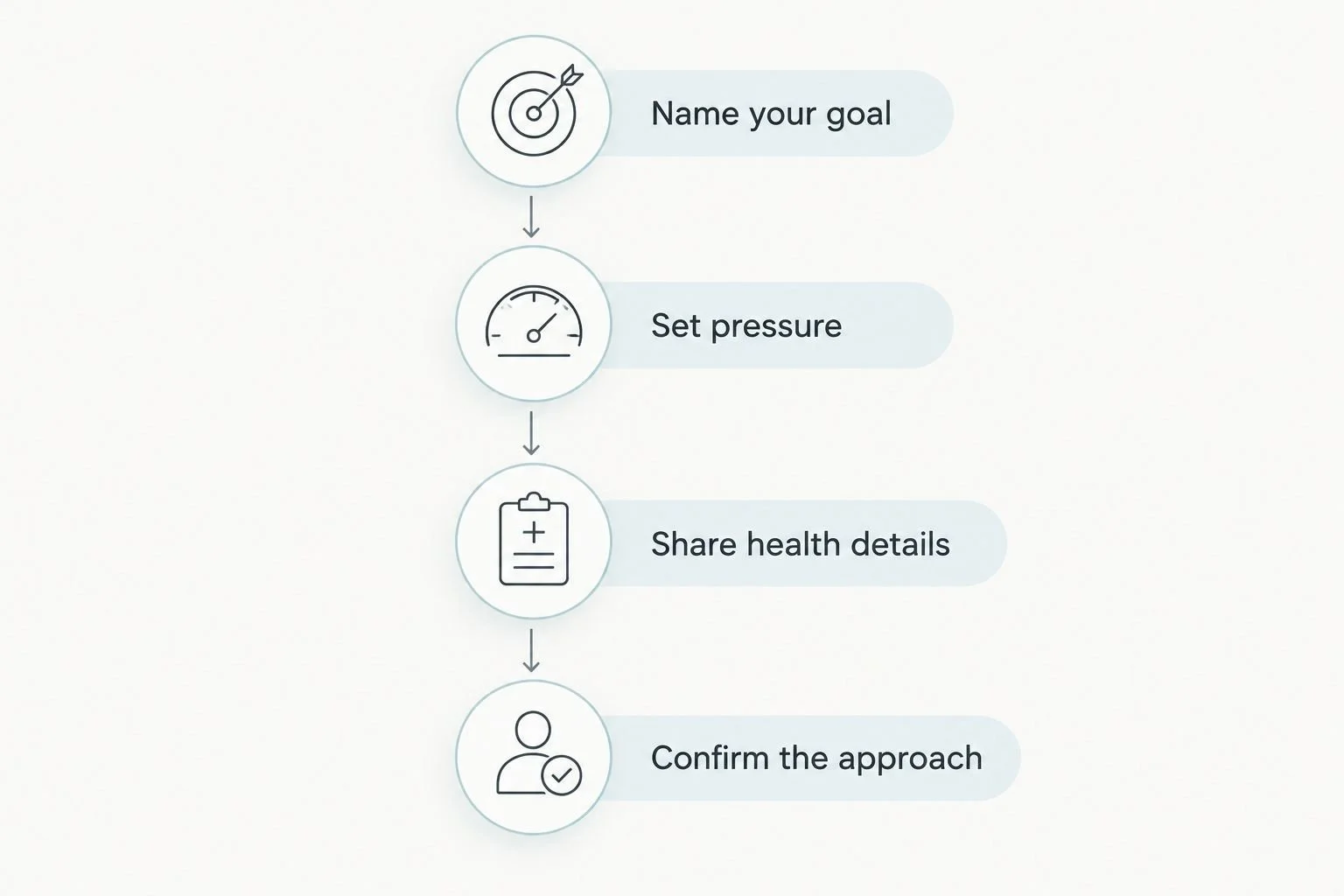
Use this short booking sequence:
- Name your goal: Identify 1 primary area rather than requesting equal attention everywhere.
- Set pressure: Describe your preference and any previous uncomfortable massage experience.
- Share health details: Mention relevant conditions, medications, recent procedures, and injuries.
- Confirm the approach: Ask 3 questions: what will the work involve, how will pressure change, and when should you speak up?
Allow 2 minutes before the hands-on work to explain your main concern rather than rushing straight onto the table. This is a planning suggestion, not a required treatment duration.
A clear conversation matters more than requesting the strongest pressure.
Seek medical advice before massage for a recent injury, unexplained swelling, or persistent worsening pain. Sudden weakness or other urgent symptoms need medical attention, not a massage booking.
Plan your Costa Mesa visit
Explore massage, spa care, and recovery services before choosing your next appointment.
FAQ
What's the best deep tissue massage near me in 2026?
The best fit is a qualified massage therapist who screens for relevant health concerns and adjusts pressure to your comfort. In the Costa Mesa area, confirm the approach before booking rather than choosing by the deep-tissue label alone.
Is deep tissue massage supposed to hurt?
Pain is not a requirement for a useful massage. Ask for less pressure if you brace or struggle to relax, and stop contact that causes sharp pain, tingling, or numbness.
Is focused compression better than broad massage?
Focused compression fits a particular tight area, while broad massage fits a more general tension-relief goal. Neither is automatically better; the choice depends on your preferences and symptoms.
Can I request deep tissue for only part of my massage?
You can ask for focused work in one area and lighter pressure elsewhere. Confirm that request before booking and repeat it during the intake conversation.
Should I book deep tissue massage after a new injury?
Get appropriate medical advice before booking massage for a new injury. Unexplained swelling, worsening pain, weakness, or altered sensation should not be treated as ordinary muscle tension.
Does Bodycentre Day Spa have locations in nearby Orange County cities?
The physical spa location described here is Costa Mesa. Guests from Newport Beach, Irvine, and Huntington Beach should plan their visit to Costa Mesa rather than assume there is a neighboring branch.
One last thing
Bring a description, not just a label. Saying that your shoulders feel tight after desk work and that strong pressure makes you brace gives a therapist more useful direction than simply requesting the deepest massage.
For a 2026 appointment, choose the approach you can communicate about comfortably—not the one that sounds most intense.